
NASA’s Bold Rescue Mission to Save the Swift Observatory
NASA’s Bold Rescue Mission to Save the Swift Observatory
NASA is racing against time to pull the aging Swift telescope back from the brink of atmospheric burn‑up, deploying a daring rescue operation.
Swift’s Uncertain Orbit
The Swift Observatory, launched in 2004, has been a workhorse for studying gamma‑ray bursts and other high‑energy phenomena. Over the past decade its orbit has gradually decayed, bringing it closer to Earth’s atmosphere. If left unchecked, the telescope could re‑enter the atmosphere and be destroyed by frictional heating.
Why a Rescue Is Needed
Unlike many space assets that can be de‑orbited safely, Swift’s design and fuel reserves make a controlled de‑orbit difficult. A rescue would preserve valuable scientific data and the expertise built around the instrument.
The Plan: A High‑Risk Fly‑by
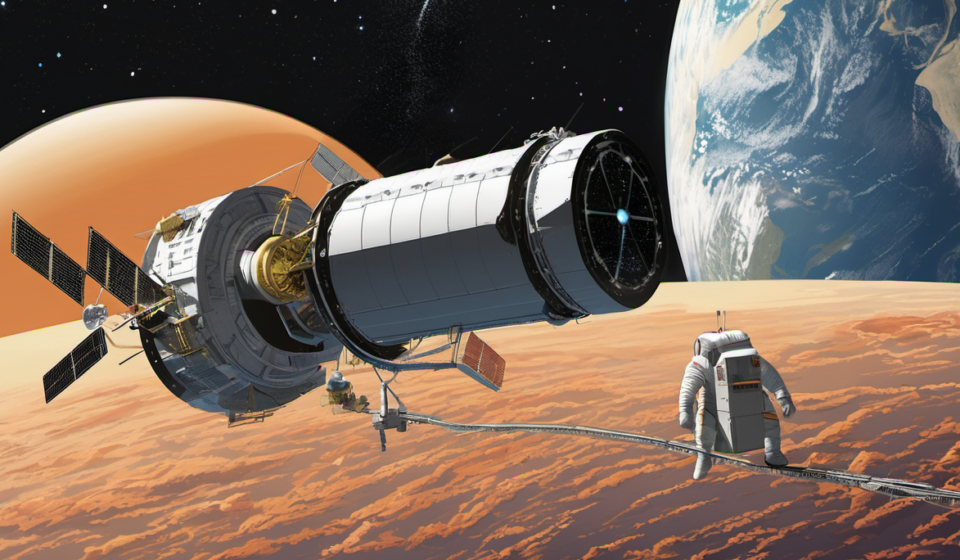
NASA’s plan involves a spacecraft rendezvous with Swift, attaching a propulsion module that will boost the telescope back into a stable orbit. Engineers are working around the clock to design a docking mechanism that can handle Swift’s aging structure.
Challenges and Contingencies
Key challenges include the limited fuel on Swift, the precision required for docking, and the risk of damaging the telescope during the maneuver. Backup plans involve a controlled re‑entry if the rescue fails, ensuring no debris threatens Earth’s surface.
What This Means for Space Exploration
Successfully rescuing Swift would set a precedent for extending the life of other aging space observatories. It also demonstrates NASA’s commitment to preserving scientific heritage and maximizing return on investment.
Source: CBS News
Watch and listen free on JASTORM – Follow radio and video broadcasts free in the JASTORM app with your free account.