
Solar Eclipse 2024: What to Expect on April 8 Across 13 States
Solar Eclipse 2024: What to Expect on April 8 Across 13 States
On April 8, a total solar eclipse will cross the United States, offering a rare celestial show visible from a strip of 13 states. Scientists explain the mechanics of the eclipse, while local officials in a small Arkansas town prepare for a surge in visitors eager to witness the phenomenon.
How a Solar Eclipse Happens
A solar eclipse occurs when the Moon passes directly between the Earth and the Sun, blocking the Sun’s light for a brief period. During a total eclipse, the Moon’s shadow touches the Earth’s surface, creating a darkened path known as the path of totality. In the 2024 event, this path will stretch from Texas to Maine, passing over cities like Dallas, Indianapolis, and Buffalo.
What the Sky Looks Like During Totality
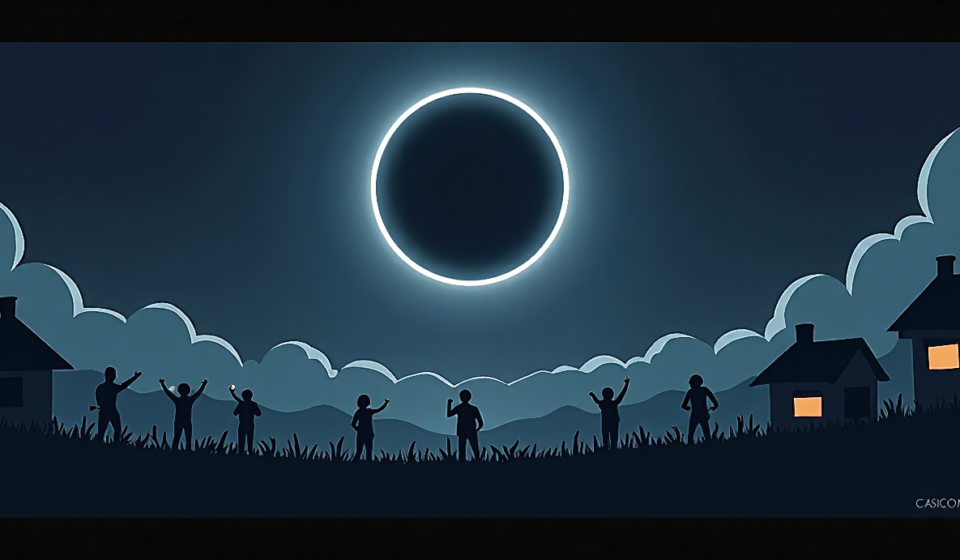
As the Moon covers the Sun, the sky darkens dramatically, temperatures drop, and the corona—the Sun’s outer atmosphere—becomes visible. The corona’s delicate, hair‑like structures glow in soft white and pale yellow, a sight that has fascinated observers for centuries. The sudden darkness also brings a noticeable change in animal behavior, with some birds and insects pausing their activity.
Preparing for the Eclipse
Experts advise viewers to use proper eye protection, such as eclipse glasses or solar viewers, to safely observe the partial phases. For those in the path of totality, the brief period of darkness can be enjoyed without special equipment, but it is still wise to bring a camera with a solar filter for the moments before and after totality. Local authorities recommend arriving early to secure a good viewing spot and to avoid traffic congestion.
Tourism Surge in a Small Arkansas Town
In the town of Van Buren, Arkansas, officials anticipate a doubling of the population on eclipse day as visitors flock to the area. The town’s mayor highlighted the need for additional parking, food services, and emergency medical support. Local businesses are preparing special eclipse packages, and the community is embracing the opportunity to showcase its hospitality.
Safety Tips for Eclipse Viewers
Never look directly at the Sun without proper protection, even during a partial eclipse. Use certified solar filters for cameras and telescopes, and avoid using regular sunglasses. Keep children supervised, and be aware of the short duration of totality—typically only a few minutes—so you can plan your viewing schedule accordingly.
For more detailed information on the science behind eclipses and practical viewing tips, visit CBS News.