
NASA Unveils 40‑Year‑Old‑Plus Wind Tunnel for Space Tech
NASA Unveils 40‑Year‑Old‑Plus Wind Tunnel for Space Tech
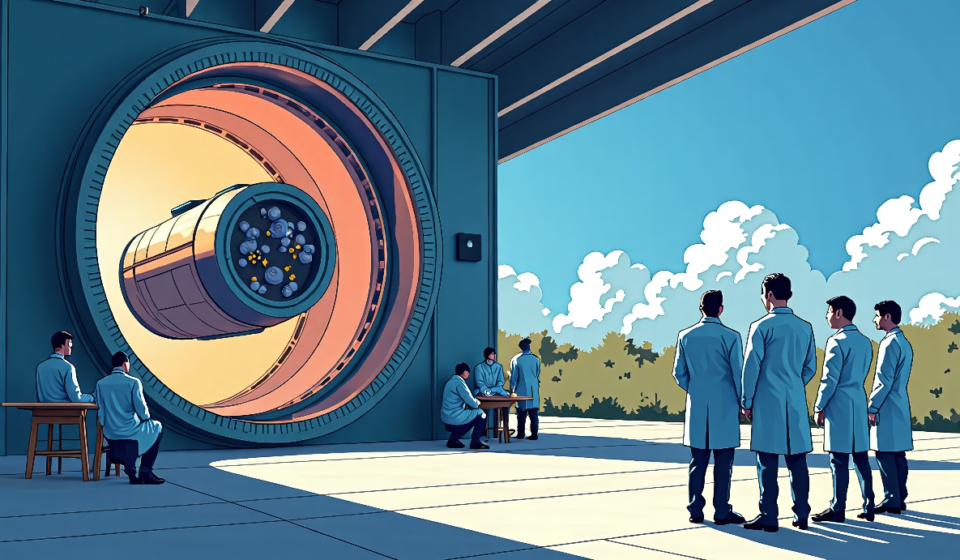
NASA has opened a new 20‑foot‑diameter, 24‑foot‑tall wind tunnel at its Langley Research Center, the first major aerodynamic test facility the agency has built in more than 40 years. The tunnel can generate winds up to 117 miles per hour, enabling engineers to evaluate future spacecraft components and propulsion systems under realistic flight conditions.
Design and Capabilities
The tunnel’s 20‑foot diameter provides a large test section, while its 24‑foot height allows for the installation of sizable test articles. With wind speeds reaching 117 mph, the facility can simulate a wide range of atmospheric and space‑flight environments, from low‑speed atmospheric re‑entry to high‑speed hypersonic travel.
Impact on Future Missions
By offering a modern, high‑performance testing environment, the new tunnel will accelerate the development of advanced propulsion systems, heat‑shield materials, and aerodynamic designs for upcoming missions to the Moon, Mars, and beyond. Engineers can now validate concepts in a controlled setting before committing to costly flight tests.
Historical Context
NASA’s previous major wind tunnel at Langley was decommissioned in the early 1980s. The new facility represents a significant investment in aerodynamic research, reflecting the agency’s renewed focus on rapid, cost‑effective technology validation.
Looking Ahead
With the tunnel now operational, NASA plans to collaborate with industry partners and academic institutions to explore innovative aerospace solutions. The facility’s capabilities are expected to play a pivotal role in the agency’s Artemis program and other deep‑space exploration initiatives.
Explore AI integration, technology consulting, and IT services from American Tech Consultants.
Explore American Tech Consultants
Explore AI integration, technology consulting, and IT services from American Tech Consultants. Explore American Tech Consultants.