
California’s Broccoli Boom Faces Drought‑Induced Supply Shock
California’s Broccoli Boom Faces Drought‑Induced Supply Shock
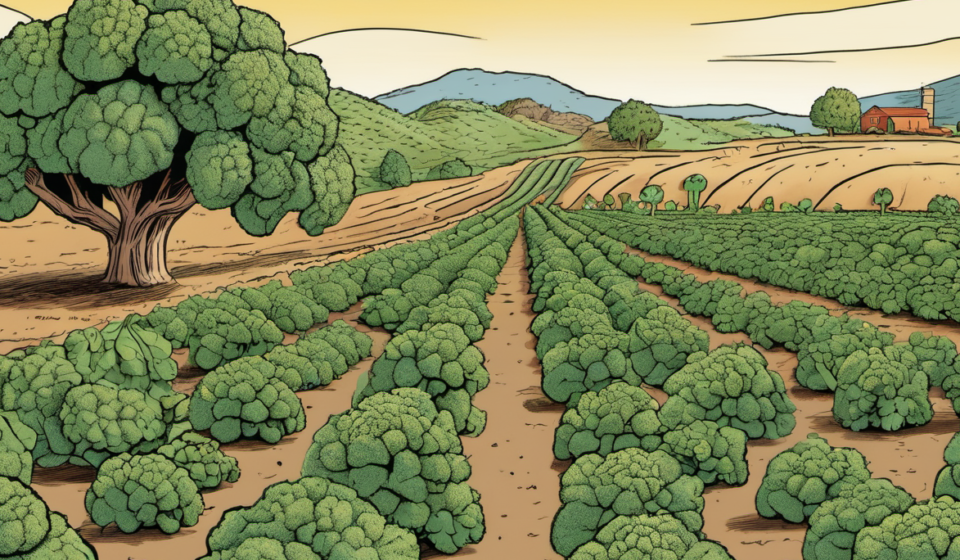
California’s farms supply more than 90% of the nation’s broccoli, making the crop a critical grocery staple. However, the state’s growing reliance on a single region leaves the supply chain vulnerable to the severe droughts that are increasingly common in the West. Recent research from Cornell University proposes a strategic shift: expanding broccoli cultivation to the East Coast to diversify risk and stabilize prices.
California’s Dominance and the Drought Dilemma
Broccoli is a staple in American kitchens, prized for its nutrition and versatility. California’s climate and fertile valleys have made it the country’s leading producer, accounting for more than 90% of the national supply. Yet the state’s water scarcity, exacerbated by prolonged drought conditions, threatens to curtail yields and disrupt the entire supply chain. Farmers face higher irrigation costs, while consumers could see higher prices and reduced availability.
Cornell’s Expansion Model
In a recent study, Cornell researchers modeled the feasibility of moving broccoli production to the East Coast. Their analysis considered soil suitability, climate compatibility, and logistical factors such as transportation and market access. The findings suggest that, with targeted investment and supportive policies, the East Coast could support a significant portion of the national broccoli demand, reducing dependence on California’s vulnerable supply.
Implications for Farmers and Consumers
For California growers, the study underscores the urgency of diversifying crops or investing in water‑efficient technologies. For the broader agricultural sector, it highlights the importance of geographic diversification to mitigate climate risks. Consumers may experience a more stable market, with less price volatility and a steadier supply of fresh broccoli year‑round.
Policy and Investment Opportunities
Policymakers could encourage East Coast expansion through incentives for research, development, and infrastructure upgrades. Private investors might find opportunities in agritech solutions that improve water use efficiency and crop resilience. Collaborative efforts between state governments, universities, and the private sector could accelerate the transition to a more resilient broccoli supply chain.
For more details on the study and its implications, read the full article on Fox News: California’s Broccoli Supply Vulnerability.
Watch and listen free on JASTORM: Follow radio and video broadcasts free in the JASTORM app with your free account.